


Reference
Performance and large matrices
Keep a wide or deep matrix responsive using the loading controls, sticky elements, and sensible model design.
How rendering works
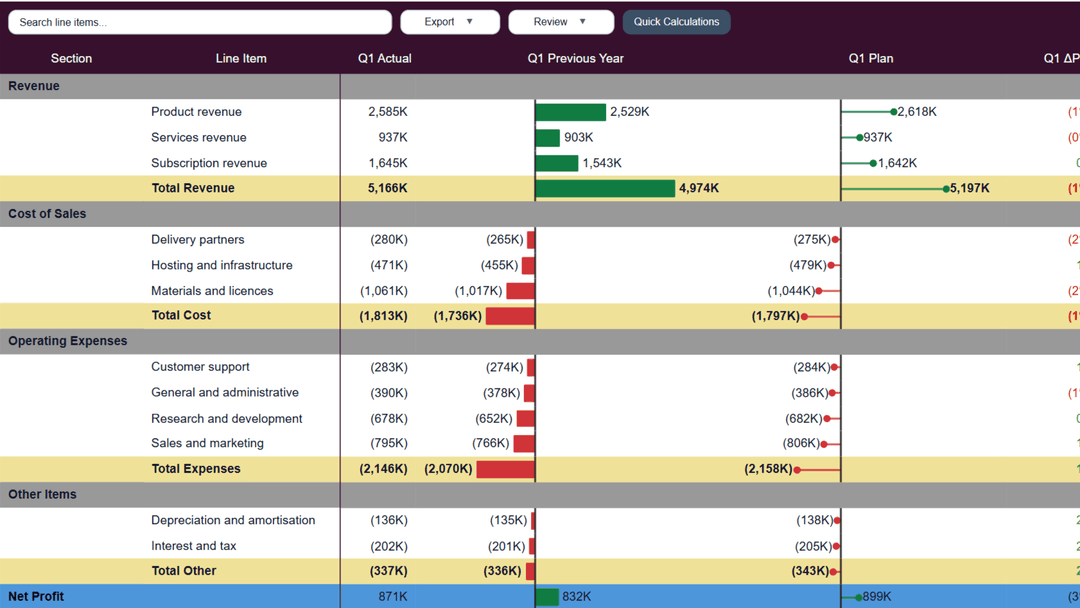
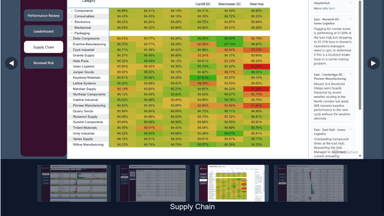
In performance mode the matrix is virtualised: cells are drawn as they come into view rather than all at once, which is what allows a matrix over a thousand columns wide to stay usable. The Cells to load setting on the Data & Features card caps how much is fetched at a time.
Keeping a large matrix fast
- Aggregate in the model where the report does not need row-level detail. Nothing in the visual is as fast as data that was never sent.
- Use report and page filters to narrow the matrix before it renders.
- Set a sensible cell load limit rather than raising it until everything fits.
- Use Top/Bottom N when readers only need the extremes, with an Other row so the totals stay correct.
- Restrict in-cell charts and sparklines to the hierarchy levels where they carry meaning.
- Prefer a starting expansion level over expanding everything by default.
- Test on the Power BI Service as well as Desktop, since the Service renders inside nested frames.