

Ready-made specifications
Use a ready-made Vega specification from the AtaytisTech Library in Ataytis Vega Studio, and match its field expectations to your own model.
Specifications from the AtaytisTech Library
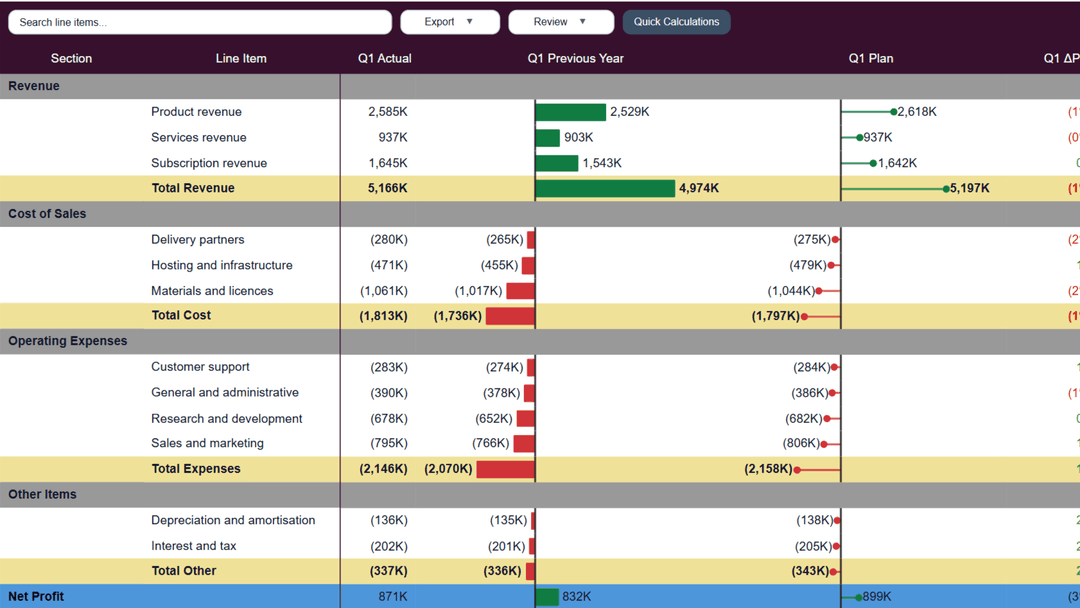
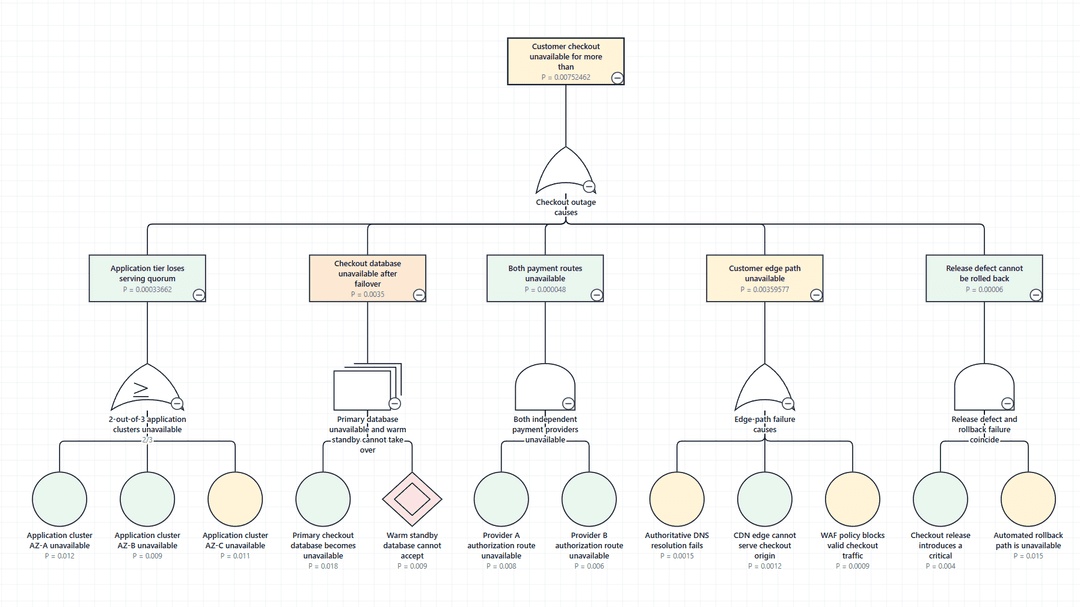
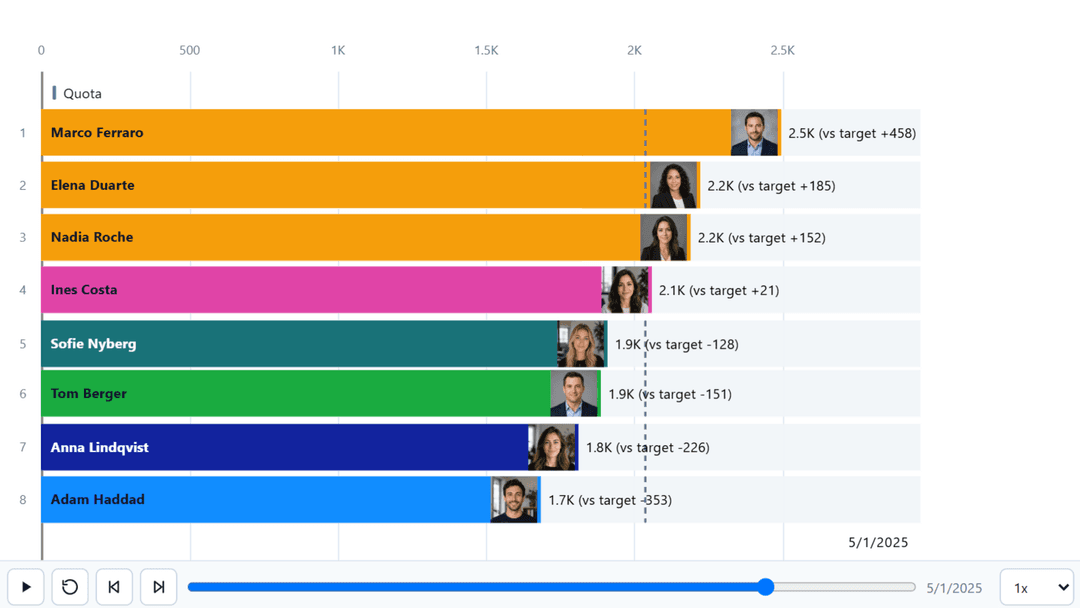
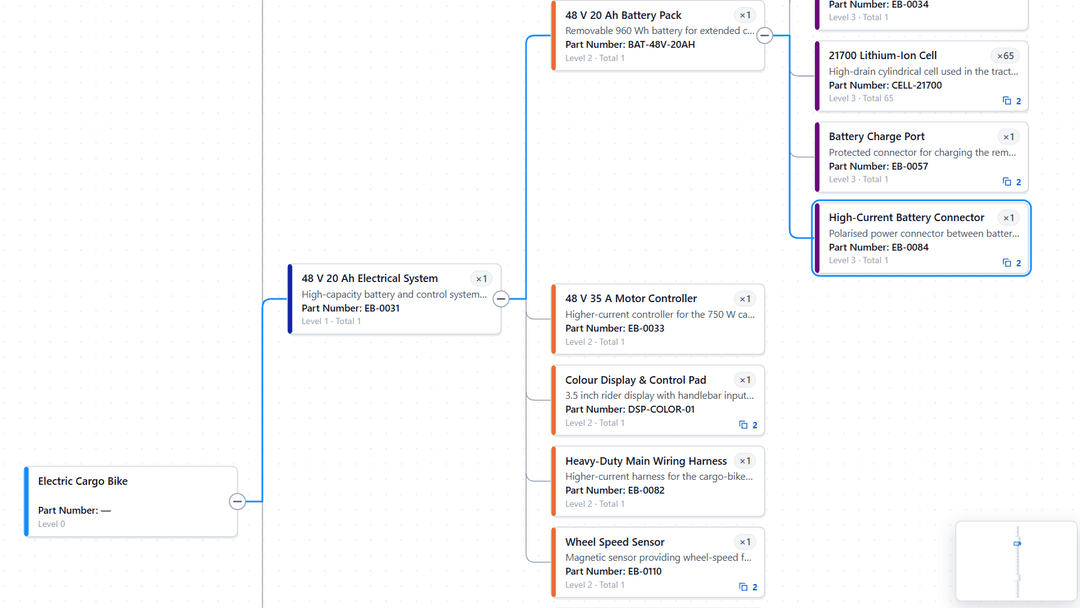
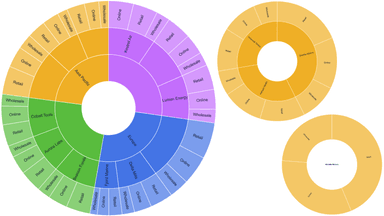
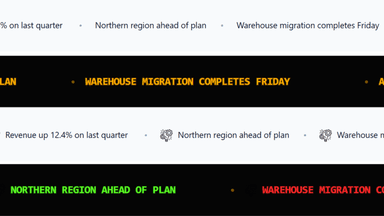
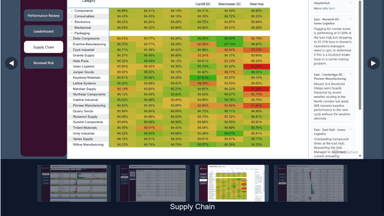
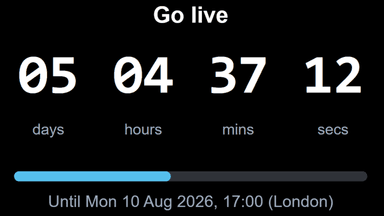
You do not have to author every visual from an empty specification. The AtaytisTech Library publishes ready-made Vega specifications built for Ataytis Vega Studio. Each Library product page describes what the visual does, which columns and measures it expects, the customisation controls available for it, and the copy or access action that gives you the JSON.
Apply a Library specification
Read the required fields
Open the Library product page and note the columns and measures the specification expects, along with their data types and intended meaning.
Assign matching fields
Add those columns and measures to the visual's Values well. Their Power BI display names become the field names in the Vega
dataset.Copy the JSON
Use the product page's copy or access action to get the complete specification, including any
configblock it defines.Open the Studio editor
Select the visual on the canvas, open More options, and choose Edit.
Replace the specification
Select the entire contents of the Spec editor and paste the Library JSON over it.
Apply and inspect
Press
Ctrl+Enterto apply. If the preview is blank, open Diagnostics for parse errors and Data table to confirm field names.Adapt to your model
Reconcile any field-name differences, then test formatting, filters, interactions, and viewport behavior on the report canvas.
Field names are the contract
A Vega specification references Power BI fields by name. A ready-made specification therefore only renders once the names in your Data table match the names it expects. You can either rename fields in the semantic model, or use Find and Replace All in the editor to point every reference at your own field names — replacing every occurrence, including those inside transforms, tooltip signals, and axis titles.
| Template field type | Suitable assignment |
|---|---|
| Text | Categories, labels, groups, identifiers, or other text columns. |
| Numeric | Numeric columns or measures that match the intended aggregation and unit. |
| Date/Time | Date or DateTime columns at an appropriate grain for the visual. |
| Boolean | TRUE/FALSE fields or measures with equivalent boolean semantics. |
Common issues
| Symptom | Likely cause | Resolution |
|---|---|---|
| The preview stays empty after pasting | No field is assigned, or a field name does not match the Data table. | Inspect dataset in Data table, then correct the field reference or the Values assignment. |
| The visual is clipped | The design uses fixed dimensions or ignores padding. | Use responsive sizing, fit autosize behavior, or preview scrollbars while diagnosing. |
| A specification from elsewhere fails | It targets a different Vega version, embeds inline data, or expects browser APIs unavailable in the host. | Check Diagnostics, adapt the data source to dataset, and test features against the Studio's bundled runtime. |
| Formatting looks wrong for numbers or dates | The specification formats values itself instead of using the Power BI format string. | Adjust the Vega format expressions, or match the field's intended formatting in the model. |
Reusing your own specifications
Because a specification is plain JSON, you can reuse your own work the same way: copy the contents of the Spec editor into a version-controlled file, and paste it into another report when you need it. Keep the source PBIX alongside that file, and record which fields the specification expects so the next person can assign them correctly. The JSON contains your specification and configuration only — it never carries Power BI dataset rows with it.